


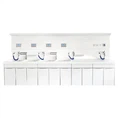
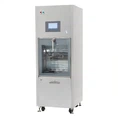
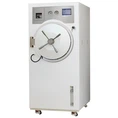
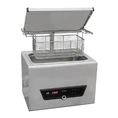
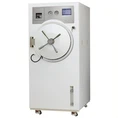
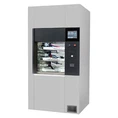
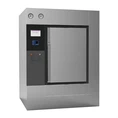
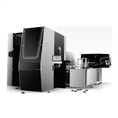
The structure of clinical analysis instruments mainly includes the following parts:
Liquid circuit system: responsible for sample collection, transportation and processing. The liquid circuit system includes sampling needles, delivery pipelines and waste liquid discharge systems to ensure that samples can enter the instrument accurately and efficiently and be processed. Gas circuit system: used to control gas flow and pressure, usually working in conjunction with the liquid circuit system to ensure the correct mixing and reaction of reagents and samples. Circuit system: including power supply, control circuit and signal processing circuit, responsible for the power supply and control of the instrument, as well as signal collection and processing. Mechanical transmission system: ensure that each component of the instrument can move and position accurately to ensure the accuracy of detection. Optical module: including light source, spectrometer and photodetector. The light source provides light signals, the spectrometer separates and processes light, and the photodetector converts light signals into electrical signals for subsequent data processing and analysis. These components work together to ensure that clinical analysis instruments can accurately and efficiently complete various biochemical analysis tasks.