


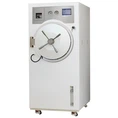

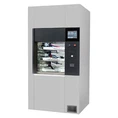
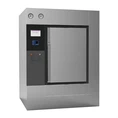
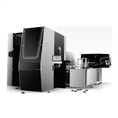
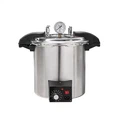
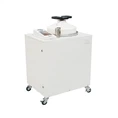
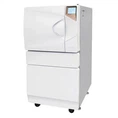


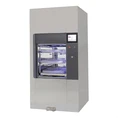
Clinical analytical instruments are widely used in many fields, mainly including disease diagnosis, disease monitoring, treatment evaluation, drug development and monitoring, food safety testing, environmental monitoring, and scientific laboratory research.
Disease diagnosis and disease monitoring
Clinical analytical instruments play a key role in disease diagnosis. For example, blood glucose meters are used to detect blood glucose levels to help diagnose diabetes; blood biochemical analyzers are used to analyze various biochemical indicators in the blood to assist in the diagnosis of various diseases; immunoassay instruments detect immune markers in body fluids for the diagnosis of infectious diseases and autoimmune diseases. In addition, spectrometers reveal disease-related biomarkers by analyzing the spectral information of human tissues or body fluids, providing accurate diagnostic basis.

Treatment evaluation and drug development
Clinical analytical instruments are also used for disease monitoring and treatment evaluation. For example, blood biochemical analyzers can monitor changes in biochemical indicators of patients during treatment, evaluate treatment effects and adjust treatment plans. In drug development, spectrometers analyze the metabolites and spectral characteristics of drugs in the human body to help understand the efficacy and safety of drugs and provide a basis for personalized treatment. ELISA is also used in drug development, supporting simultaneous detection of multiple projects and flexible calculation, improving the efficiency and accuracy of scientific research.
Food safety and environmental monitoring
Clinical analytical instruments also play an important role in food safety testing and environmental monitoring. ELISA can detect nutrients, allergens, microorganisms and pesticide residues in food to ensure food quality and safety. In environmental monitoring, ELISA detects harmful substances in water and soil, such as heavy metals and volatile organic compounds, to ensure environmental safety.
Research laboratory research
In scientific research laboratories, clinical analytical instruments are widely used in proteomics, immunology, cell biology and other fields. For example, multifunctional enzyme label analyzers support multi-wavelength detection and simultaneous detection of multiple projects, greatly improving the efficiency and accuracy of scientific research.