


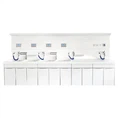
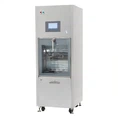
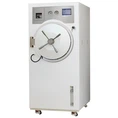
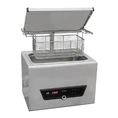
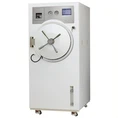
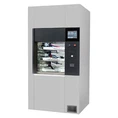
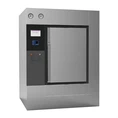
Autoclave
Your Professional Autoclave Supplier!
Kleibertus(Haikou) Electronic Technology GmbH is a foreign trade factory focusing on the life and health industry, committed to independent research and development, production and sales of high-quality products covering the entire medical and health industry chain. Our products cover areas such as medical diagnosis, in vitro diagnostic equipment, biosafety protection, disinfection and sterilization, purification engineering, cold chain transportation and medical beauty products, truly realizing a one-stop solution.


Why Choose Us
Full Industry Chain Coverage
Our products cover medical diagnosis, in vitro diagnostic equipment, biosafety protection, disinfection and sterilization, purification engineering, cold chain transportation and medical beauty products, truly realizing a one-stop solution.
Authoritative Certification Guarantee
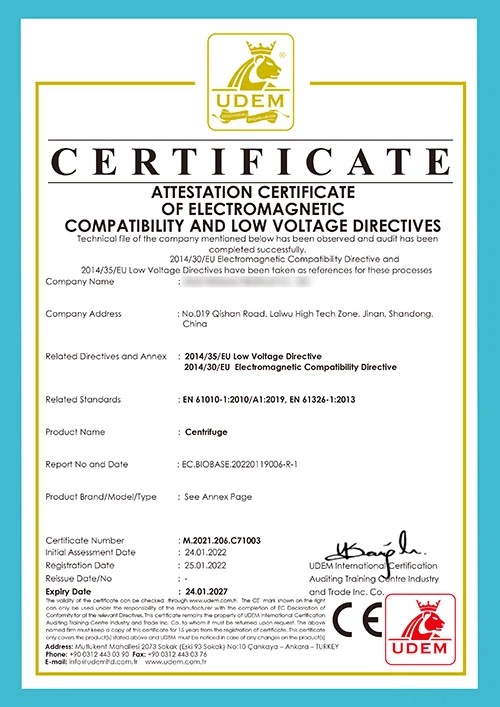
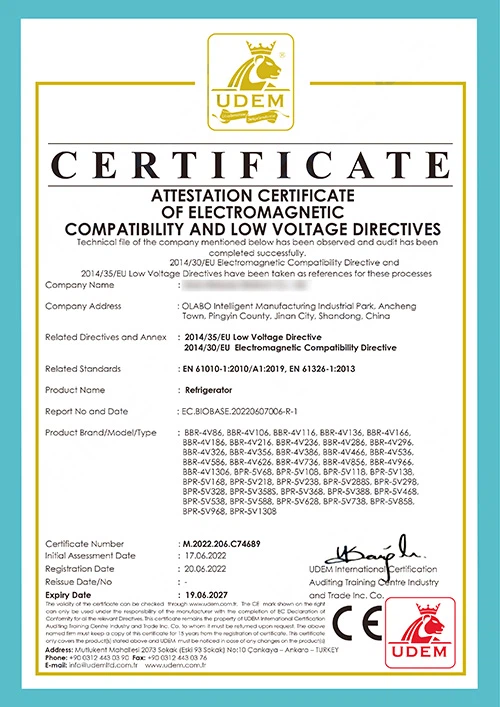
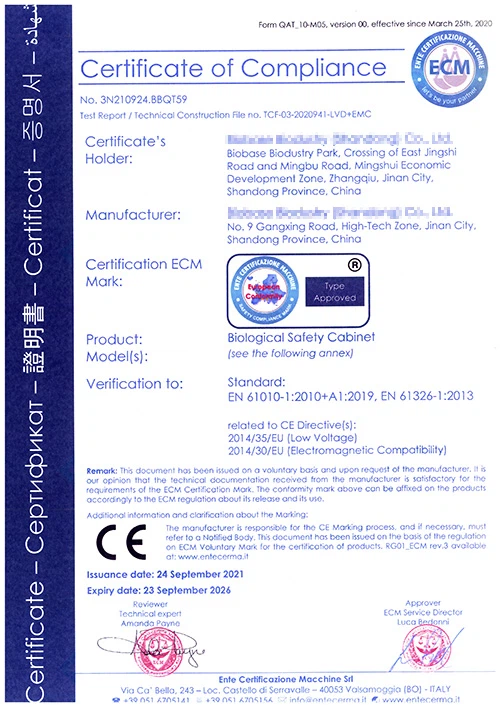
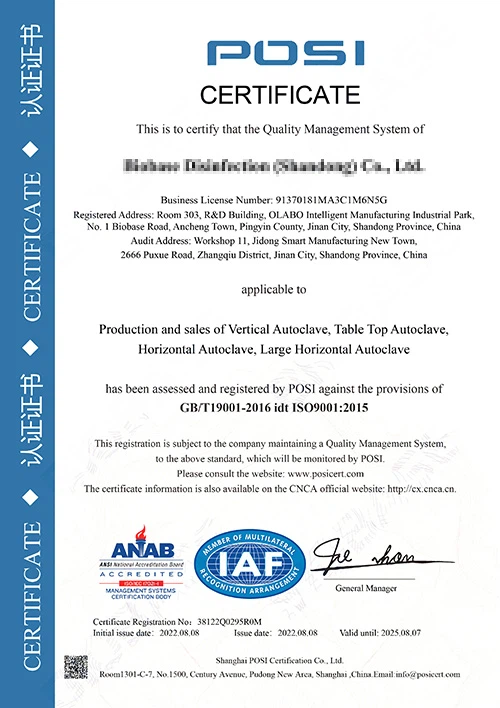
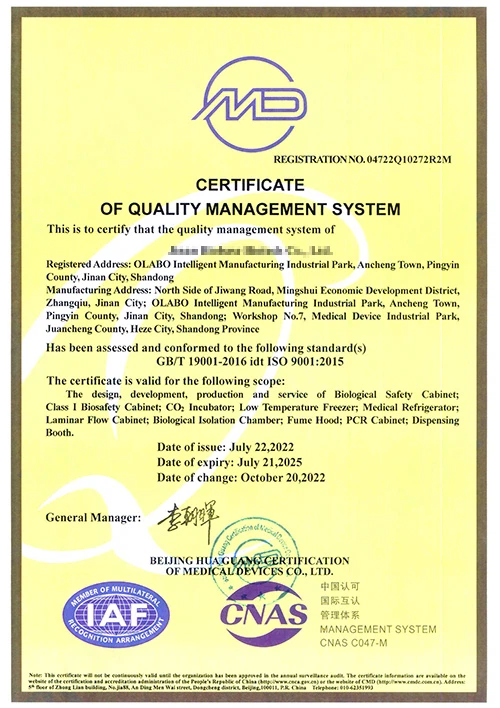
The products have passed international certifications such as EU CE, EN, US NSF, FDA, etc., and the quality standards strictly meet the needs of the global market, winning high recognition from international customers.
Global Layout
Our business covers more than 190 countries and regions around the world. With an efficient international supply chain and customer service network, we ensure a quick response to global customer needs.
Leading in Technology and R&D
We always adhere to technology-driven, continue to increase R&D investment, ensure that our products always maintain high quality and high performance, and can meet the diversified needs of different markets.
Our Best-Selling Autoclave
Our Company Has More Products to Offer, Please Browse the Product Categories on the Website, If You Have Any Needs, Please Contact Us.
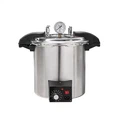
Table Top Autoclave Class
The table top autoclave class Sterilizer Series is a high-performance sterilization solution designed for professional environments such as dental clinics, ophthalmology centers, beauty salons, and operating rooms. Utilizing advanced gravity displacement technology, this table top autoclave class efficiently expels cold air from the sterilization chamber, allowing steam to saturate and reach the required pressure and temperature for thorough sterilization.
Table Top Autoclave Machine
The table top autoclave machine is a specialized sterilization device tailored for use in ophthalmology, dentistry, clinics, and small laboratories. This reliable solution is perfect for sterilizing medical and surgical instruments, including packaged items, hollow and porous materials.
Tabletop Autoclave Steam Sterilizer
The tabletop autoclave steam sterilizer is a high-pressure sterilization device that utilizes steam as the sterilizing agent, offering fast, safe, and cost-effective sterilization. It is widely used in medical, healthcare, and research settings for sterilizing both wrapped and unwrapped instruments, fabrics, containers, culture media, and unsealed liquids.

Autoclave Technical Parameters
|
Model |
BKM-Z45B |
BKM-Z60B |
BKM-Z80B |
|
Capacity |
45L |
60L |
80L |
|
Door |
Automatic |
||
|
Display |
5-inch LCD touch screen |
7-inch LCD touch screen |
|
|
Designed Pressure |
-0.1/0.3MPa |
||
|
Working Pressure |
0.23Mpa |
||
|
Max Designed Temp. |
200℃ |
||
|
Working Temp. |
105~134℃ |
||
|
Temp. Precision |
0.1℃ |
||
|
Sterilization Time |
0~99min |
||
|
Drying Time |
0~99min |
||
|
Water Tank Capacity |
14L |
||
|
Vacuum System |
The high-pressure water pump is combined with the ejector for vacuum extraction, which utilizes the enturi principle |
||
|
Chamber Material |
S30408 |
||
|
Chamber Size |
φ316*621 |
φ386*520 |
φ386*692 |
|
Power Supply |
Standard: AC220V/50Hz or 220V/60Hz Optional: AC110V/50Hz or 110V/60Hz Wiring Method: Air switch |
||
|
Consumption |
5.8KW |
6.2KW |
|
|
Altitude |
≤2000m Could be customized@2000~3000m |
||
|
Rack |
1 rack with 3 trays |
||
|
Standard Accessories |
Stainless steel tray, USB, printer, mobile sensor |
||
|
External Size(W*D*H)mm |
610*1020*610 |
805*940*700 |
805*1140*700 |
|
Package Size(W*D*H)mm |
750*1200*880 |
960*1130*940 |
960*1330*940 |
|
Net Weight(kg) |
128 |
175 |
185 |
|
Gross Weight(kg) |
165 |
215 |
230 |
Economical: Autoclaves are cost-effective, requiring minimal additional resources like chemicals or disposables.
Short Procedure Time: Sterilization is completed quickly, often within minutes, making it efficient for high-throughput environments.
Effective Microbial Elimination
Autoclaves can kill a wide range of microorganisms, including resilient endospores, ensuring thorough sterilization.
Good Penetration
The steam used in autoclaving penetrates all surfaces of the materials, ensuring comprehensive sterilization.
No Additional Chemicals
The process relies on steam, eliminating the need for potentially hazardous or expensive chemical agents.

Purge Phase: Steam flows through the sterilizer and starts to displace the air; temperature and pressure ramp slightly to a continuous flow purge.
Exposure (Sterilization) Phase: During this phase, the autoclave’s control system is programmed to close the exhaust valve, thereby causing the interior temperature and pressure to increase to the desired setpoint. The program then maintains the desired temperature (dwells) until the desired time is reached.
Exhaust Phase: Pressure is released from the chamber through an exhaust valve and the interior is restored to an ambient pressure (though contents remain relatively hot).
Steps for Using an Autoclave
● Cover the top of the flask containing media with foil and place a piece of an autoclave tape over the foil. An autoclave tape is a normal looking tape that turns into a strip containing black diagonal lines when exposed to high temperature. This helps you to be aware of the sterilized containers. If you've prepared media in bottles, do not tighten the cap, just keep it loose about half way and place the autoclave tape on top of it.
● Turn on the power and ensure the drain valve of the autoclave is closed.
● Add deionized water to the level-indicator line.
● Now place the flask of culture media, tools, and other materials into the basket. Make sure there's enough space between each item and nothing is touching the wall and bottom floor of the autoclave.
● Place the basket in the autoclave and close the lid. Turn the handle to create an air tight seal.
● Use the control panel to set the temperature to 121 degree Celsius and the pressure to 15 psi.
● Run autoclave for at least 15-20 minutes.
● Once the cycle ends and pressure gauge show 0 psi, slowly open the lid of the autoclave while wearing heat-resistant gloves.
● Take out your materials from the autoclave and let them cool before use.
Autoclave Compatible/Incompatible Materials
|
Autoclave Compatible |
Autoclave Incompatible |
|
Polypropylene Glassware Stainless Steel Pipette tips Waste Media solutions (Fill up to 2/3 of the container and loosen caps) Tissue Culture Flasks Animal Bedding and Food |
Chlorine, Hypochlorite, Bleach Acids, Bases and Organic Solvents Chlorides Sulfates Seawater Polystyrene Polyethylene Polyurethane |
● Prior to operating an autoclave, laboratory personnel should undergo comprehensive training customized to the particular make and model of the unit.
● Always wear personal protective equipment — a lab coat, heat-resistant gloves, and safety glasses or goggles — and close-toed shoes. Both the lab coat and gloves should be long enough to prevent any skin on the arm from being exposed. Depending on the application, it might also be appropriate to wear a rubber apron and/or a face shield.
● Do not seal containers, as the increased pressure within an autoclave can present an explosion hazard (unless you have a special cycle that is specifically designed for sealed containers)
● Do not open the door to an autoclave if there is water running out of the bottom. Equipment malfunctions and clogged drain lines can cause hot water to build up, posing a scalding risk.
● Do not open the door when a sterilization cycle is in process, as this can cause the cycle to abort.
● Do not open the autoclave door until the pressure has reached zero and the temperature is below 100°C to avoid burns or scalding.
● Never stand directly in front of the autoclave door.


● Use a designated liquid cycle to sterilize liquids. Liquid cycles prevent boil-over by slowly releasing the chamber pressure during the exhaust phase, thereby enabling the liquid load to cool off gradually. Liquid cycles can also prevent liquids from superheating or achieving a temperature above their normal boiling point.
● Inspect all glassware prior to loading. Older glassware or glassware with preexisting fissures or fractures are less stable and therefore more liable to break during sterilization.
● Always allow materials, including racks and containers, to cool before unloading. Additionally, be sure to wear heat-resistant gloves when unloading.
● Immediately clean any spilled materials or condensate to prevent slip-and-fall accidents.
● Be mindful to keep arms and hands clear of the autoclave door when closing.
● Report any accidents or injuries to the appropriate authorities.
Packaging and Shipping
|
Packaging |
Foam, plastic bags, cartons |
|
Transportation methods |
Road transport, rail transport, sea transport, air transport |
Our Certificate
Video
FAQ
We're well-known as one of the leading autoclave suppliers in China. Please feel free to buy high quality autoclave in stock here from our factory. For customized service, contact us now.
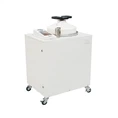
Vertical Laboratory Autoclave, Table Top Autoclave Machine, Table Top Autoclave Class