



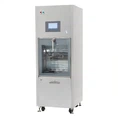





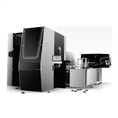

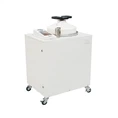
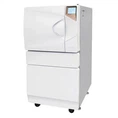

The main roles of PCR laboratory products include the following aspects:
Molecular biology research: PCR laboratories play an important role in basic biological research. Through PCR technology, scientists can amplify target DNA sequences to conduct in-depth research on the functions of biological molecules and genes. For example, PCR technology can be used to identify and detect gene mutations, study molecular genetics, infer gene expression patterns, etc.
Medical diagnosis and clinical laboratories: In the medical field, PCR technology is used to detect pathogens such as bacteria, viruses and fungi with high sensitivity and high specificity. It can help doctors accurately diagnose diseases and formulate treatment plans. PCR technology is also used in immune gene testing, screening of tumor gene mutations, etc., providing important basis for clinical diagnosis.
Forensic medicine and legal research: PCR technology is used in forensic medicine for DNA analysis to help determine the identity of suspects or identify the source of bones. It plays an important role in criminal investigation and judicial justice.
Bioengineering and agricultural science: In genetic engineering, PCR technology is used to prepare a large number of target genes for gene cloning, sequencing and research. In agricultural science, PCR technology helps researchers perform crop gene typing and sequencing to optimize crop varieties.
Environmental monitoring and food safety: PCR technology can also be used in the fields of environmental monitoring and food safety to quickly identify microorganisms in the environment and detect pathogens in food.