


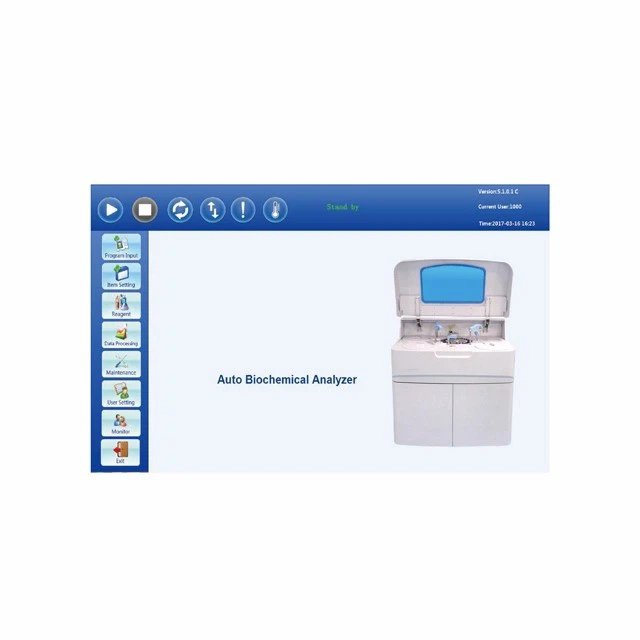
As a supplier of chemistry analyzers, I understand the importance of proper maintenance for these sophisticated instruments. Chemistry analyzers are crucial in clinical laboratories, research facilities, and other settings where accurate chemical analysis is required. Regular maintenance not only ensures the accuracy and reliability of test results but also extends the lifespan of the analyzer. In this blog, I will discuss the common maintenance procedures for a chemistry analyzer.
Daily Maintenance
Cleaning the Sample Probe
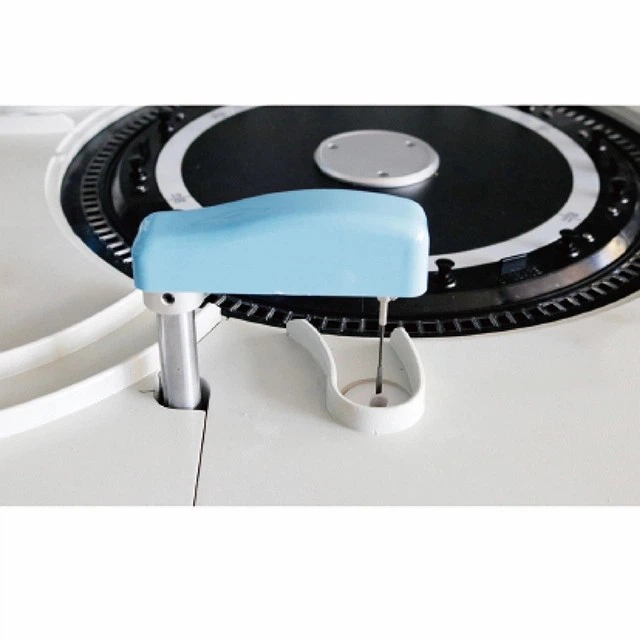
The sample probe is one of the most critical components of a chemistry analyzer. It is responsible for aspirating samples and reagents accurately. Over time, the sample probe can become contaminated with sample residues, which can affect the accuracy of test results. Therefore, it is essential to clean the sample probe daily.
To clean the sample probe, follow these steps:
- Prepare a cleaning solution according to the manufacturer's instructions.
- Immerse the sample probe in the cleaning solution for a specified period.
- Use a soft brush to gently clean the outer surface of the sample probe.
- Rinse the sample probe thoroughly with distilled water.
- Dry the sample probe with a clean, lint-free cloth.
Checking the Reagent Levels
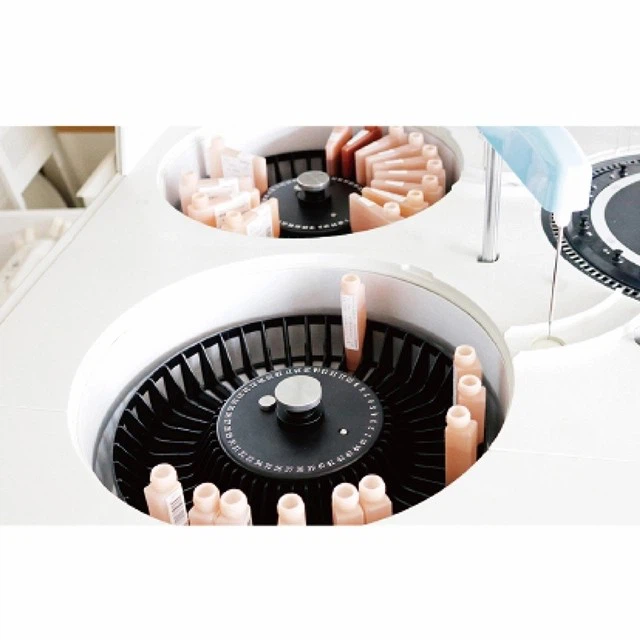
Reagents are essential for the proper functioning of a chemistry analyzer. Therefore, it is crucial to check the reagent levels daily to ensure that there is enough reagent available for the tests. Most chemistry analyzers are equipped with a reagent level monitoring system that alerts the user when the reagent levels are low.
If the reagent levels are low, follow these steps:
- Identify the reagent that needs to be replenished.
- Prepare a new bottle of the reagent according to the manufacturer's instructions.
- Replace the empty reagent bottle with the new one.
- Prime the reagent lines to ensure that the new reagent is properly loaded into the system.
Running Quality Control Tests
Quality control tests are used to monitor the performance of a chemistry analyzer and ensure that the test results are accurate and reliable. Therefore, it is essential to run quality control tests daily.
To run quality control tests, follow these steps:
- Prepare the quality control materials according to the manufacturer's instructions.
- Run the quality control materials on the chemistry analyzer.
- Compare the test results with the expected values provided by the manufacturer.
- If the test results are outside the acceptable range, take corrective actions, such as recalibrating the analyzer or troubleshooting the problem.
Weekly Maintenance
Cleaning the Analyzer Surface
The analyzer surface can accumulate dust, dirt, and other contaminants over time, which can affect the performance of the analyzer. Therefore, it is essential to clean the analyzer surface weekly.
To clean the analyzer surface, follow these steps:
- Turn off the analyzer and unplug it from the power source.
- Use a soft, lint-free cloth to wipe the analyzer surface.
- If necessary, use a mild detergent solution to clean the analyzer surface.
- Rinse the analyzer surface thoroughly with distilled water.
- Dry the analyzer surface with a clean, lint-free cloth.
Checking the Fluid Lines
The fluid lines in a chemistry analyzer are responsible for transporting samples, reagents, and other fluids throughout the system. Over time, the fluid lines can become clogged or damaged, which can affect the performance of the analyzer. Therefore, it is essential to check the fluid lines weekly.
To check the fluid lines, follow these steps:
- Inspect the fluid lines for any signs of damage, such as cracks or leaks.
- Check the fluid lines for any blockages or obstructions.
- If necessary, clean the fluid lines using a cleaning solution according to the manufacturer's instructions.
- Replace any damaged or clogged fluid lines.
Calibrating the Analyzer
Calibration is the process of adjusting the analyzer to ensure that the test results are accurate and reliable. Therefore, it is essential to calibrate the analyzer weekly.
To calibrate the analyzer, follow these steps:
- Prepare the calibration materials according to the manufacturer's instructions.
- Run the calibration materials on the chemistry analyzer.
- Follow the calibration procedure provided by the manufacturer to adjust the analyzer settings.
- Verify the calibration by running quality control tests.
Monthly Maintenance
Changing the Filters
Filters are used to remove impurities and contaminants from the air, water, and other fluids used in a chemistry analyzer. Over time, the filters can become clogged or saturated, which can affect the performance of the analyzer. Therefore, it is essential to change the filters monthly.
To change the filters, follow these steps:
- Identify the filters that need to be changed.
- Turn off the analyzer and unplug it from the power source.
- Remove the old filters from the analyzer.
- Install the new filters according to the manufacturer's instructions.
- Turn on the analyzer and check the filter status to ensure that the new filters are properly installed.
Lubricating the Moving Parts
The moving parts in a chemistry analyzer, such as the motors, belts, and gears, require lubrication to ensure smooth operation. Over time, the lubricant can dry out or become contaminated, which can affect the performance of the analyzer. Therefore, it is essential to lubricate the moving parts monthly.
To lubricate the moving parts, follow these steps:
- Identify the moving parts that need to be lubricated.
- Turn off the analyzer and unplug it from the power source.
- Apply the lubricant to the moving parts according to the manufacturer's instructions.
- Turn on the analyzer and check the operation of the moving parts to ensure that they are properly lubricated.
Performing a System Check
A system check is a comprehensive evaluation of the chemistry analyzer to ensure that all components are functioning properly. Therefore, it is essential to perform a system check monthly.
To perform a system check, follow these steps:
- Review the analyzer's operating manual to understand the system check procedure.
- Use the analyzer's built-in diagnostic tools to perform a self-check.
- Check the analyzer's performance by running quality control tests.
- If any problems are detected during the system check, take corrective actions, such as replacing the faulty components or contacting the manufacturer's technical support team.
Annual Maintenance
Professional Service and Calibration
In addition to the regular maintenance procedures described above, it is recommended to have the chemistry analyzer serviced and calibrated by a professional technician annually. A professional technician has the expertise and tools to perform a comprehensive inspection and maintenance of the analyzer, including checking the electrical components, mechanical parts, and software.
During the annual service, the technician will also perform a calibration of the analyzer using traceable standards to ensure that the test results are accurate and reliable. The technician will also provide a detailed report of the analyzer's performance and any recommendations for future maintenance.
Conclusion
Proper maintenance is essential for the accurate and reliable operation of a chemistry analyzer. By following the common maintenance procedures described in this blog, you can ensure that your chemistry analyzer performs at its best and provides accurate test results for many years to come.
If you are in the market for a new chemistry analyzer or need maintenance services for your existing analyzer, we are here to help. We offer a wide range of chemistry analyzers, including Semi Auto Chemistry Analyzer, 400T/H Automatic Chemistry Analyzer, and Auto Clinical Chemistry Analyzer. Our team of experts can provide you with the guidance and support you need to choose the right analyzer for your needs and ensure that it is properly maintained.
Contact us today to learn more about our products and services and to discuss your specific requirements. We look forward to working with you!

References
- Manufacturer's operating manuals for chemistry analyzers.
- Clinical and Laboratory Standards Institute (CLSI) guidelines for the maintenance and quality control of chemistry analyzers.