


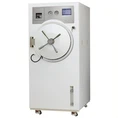

As a seasoned supplier in the autoclave industry, I've witnessed firsthand the critical role these machines play in various sectors, from healthcare to research laboratories. One of the most frequently asked questions I encounter is, "What is the best way to unload an autoclave?" In this blog, I'll delve into this topic, sharing insights and best practices based on years of experience and industry knowledge.
Understanding the Autoclave Unloading Process
Before we dive into the best practices, it's essential to understand the basic principles behind autoclave operation and the unloading process. Autoclaves use high-pressure steam to sterilize equipment, instruments, and materials, eliminating bacteria, viruses, and other microorganisms. Once the sterilization cycle is complete, the autoclave needs to be unloaded carefully to ensure the safety of the operator and the integrity of the sterilized items.
Preparing for Unloading
The first step in unloading an autoclave is to ensure that the machine has completed its cycle and that the pressure has returned to normal. Most modern autoclaves are equipped with safety features that prevent the door from being opened until the pressure has dropped to a safe level. It's crucial to wait for the appropriate indicator lights or alarms to signal that it's safe to proceed.
While waiting for the autoclave to depressurize, gather the necessary equipment for unloading, such as heat-resistant gloves, tongs, and a clean, dry surface to place the sterilized items. These tools will help protect you from burns and ensure that the items remain sterile during the unloading process.
Safety First
Safety should always be the top priority when unloading an autoclave. The high temperatures and pressures inside the autoclave can cause severe burns if proper precautions are not taken. Always wear heat-resistant gloves and protective eyewear to shield yourself from steam and hot surfaces.
In addition to personal protective equipment, make sure the area around the autoclave is clear of any obstacles or hazards. This will prevent accidents and ensure that you have enough space to maneuver the sterilized items safely.
Unloading the Autoclave
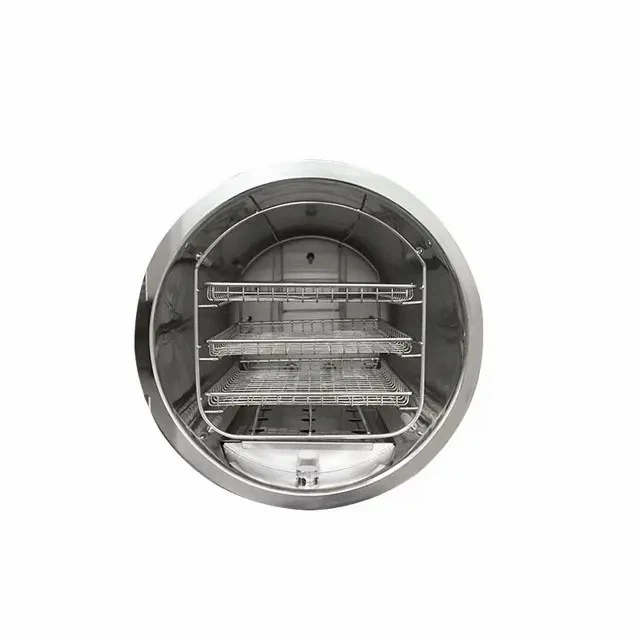
Once the autoclave has depressurized and it's safe to open the door, proceed slowly and carefully. Use the tongs or other appropriate tools to remove the sterilized items from the autoclave, taking care not to touch the hot surfaces or spill any liquids.
Place the items on the clean, dry surface you prepared earlier, making sure they are arranged in an organized manner. Avoid overcrowding the items, as this can prevent proper air circulation and increase the risk of contamination.
Cooling and Inspection
After unloading the autoclave, allow the sterilized items to cool down completely before handling them further. This will prevent burns and ensure that the items are safe to use.
Once the items have cooled, inspect them carefully for any signs of damage or contamination. If you notice any issues, such as broken or cracked containers, or if the items appear to be wet or soiled, do not use them. Instead, discard them properly and repeat the sterilization process.
Best Practices for Unloading
In addition to the steps outlined above, there are several best practices that can help ensure a safe and efficient autoclave unloading process:
- Follow the Manufacturer's Instructions: Always refer to the autoclave's user manual for specific instructions on unloading and maintenance. Different models may have different requirements, so it's important to follow the manufacturer's guidelines to ensure optimal performance and safety.
- Use Proper Loading Techniques: Proper loading techniques can help ensure that the items are sterilized effectively and that the autoclave operates efficiently. Make sure to leave enough space between the items to allow for proper steam circulation, and avoid overloading the autoclave.
- Regular Maintenance and Calibration: Regular maintenance and calibration of the autoclave are essential to ensure its proper functioning and safety. Follow the manufacturer's recommended maintenance schedule, and have the autoclave calibrated regularly by a qualified technician.
- Train Your Staff: If you have multiple users operating the autoclave, make sure they are properly trained on the unloading process and safety procedures. Provide them with clear instructions and guidelines, and conduct regular training sessions to reinforce the importance of safety.
Conclusion
Unloading an autoclave safely and efficiently is crucial to ensure the integrity of the sterilized items and the safety of the operator. By following the steps and best practices outlined in this blog, you can minimize the risk of accidents and ensure that your autoclave operates at its best.
As an autoclave supplier, we offer a wide range of high-quality autoclaves, including Tabletop Autoclave Steam Sterilizer, Table Top Autoclave Class, and Table Top Autoclave Machine. Our autoclaves are designed to meet the highest standards of quality and safety, and we provide comprehensive support and training to help you get the most out of your investment.

If you're interested in learning more about our autoclaves or have any questions about the unloading process, please don't hesitate to contact us. We're here to help you find the best solution for your sterilization needs and ensure that your autoclave operates safely and efficiently.
References
- Association for the Advancement of Medical Instrumentation (AAMI). (2019). ST79: Comprehensive guide to steam sterilization and sterility assurance in health care facilities.
- Centers for Disease Control and Prevention (CDC). (2019). Guidelines for environmental infection control in health-care facilities.
- International Organization for Standardization (ISO). (2015). ISO 17665-1:2015 - Sterilization of health care products - Moist heat - Part 1: Requirements for the development, validation, and routine control of a sterilization process for medical devices.