


A wheelchair anti-tip device is an essential safety component designed to prevent wheelchairs from tipping backward, especially during activities such as ascending slopes, performing wheelies, or when the user's center of gravity shifts in an unfavorable way. As a wheelchair supplier, I've seen firsthand how these devices can significantly enhance the safety and functionality of wheelchairs for users.
How Wheelchair Anti - Tip Devices Work
Wheelchair anti - tip devices typically consist of small wheels or casters attached to the rear frame of the wheelchair, usually behind the main wheels. These additional wheels act as a safety net. When the wheelchair starts to tilt backward beyond a certain angle, the anti - tip wheels make contact with the ground. This contact creates a counter - force that stops the wheelchair from tipping over completely.
The design of anti - tip devices varies. Some are fixed in place, providing a constant level of protection. Others are adjustable, allowing the user or caregiver to set the angle at which the anti - tip wheels engage. This adjustability is particularly useful as it can be customized according to the user's specific needs, such as their level of mobility, the type of activities they engage in, and the terrain they are likely to encounter.
Types of Wheelchair Anti - Tip Devices
There are several types of anti - tip devices available on the market, each with its own set of features and benefits.
Fixed Anti - Tip Devices
Fixed anti - tip devices are the most basic type. They are permanently attached to the wheelchair frame at a pre - determined angle. These devices are simple and reliable, offering a consistent level of protection. They are suitable for users who have relatively stable mobility and do not require a high degree of adjustability. For example, a user who primarily uses their wheelchair on flat, even surfaces may find a fixed anti - tip device sufficient for their needs.
Adjustable Anti - Tip Devices
Adjustable anti - tip devices provide more flexibility. They allow the angle of the anti - tip wheels to be changed, which can be crucial for users who engage in a variety of activities. For instance, a wheelchair user who participates in wheelchair sports may need to adjust the anti - tip device to a more upright position to allow for greater maneuverability during fast - paced movements. On the other hand, a user who has difficulty maintaining balance may set the anti - tip device at a lower angle for increased stability.
Removable Anti - Tip Devices
Removable anti - tip devices offer the option of using the wheelchair with or without the anti - tip feature. This can be beneficial for users who want to have the flexibility to use their wheelchair in different situations. For example, a user may remove the anti - tip device when using the wheelchair indoors, where space is limited and the risk of tipping is lower. Then, they can re - attach it when going outdoors on uneven terrain.
Importance of Wheelchair Anti - Tip Devices
The importance of wheelchair anti - tip devices cannot be overstated. They play a crucial role in preventing serious injuries that can result from wheelchair tip - overs. A backward tip - over can cause the user to fall out of the wheelchair, leading to fractures, head injuries, and other trauma. By providing an additional layer of safety, anti - tip devices give users and their caregivers peace of mind.
In addition to safety, anti - tip devices can also enhance the user's confidence and independence. Knowing that they are less likely to tip over, users may feel more comfortable exploring different environments and engaging in a wider range of activities. This can have a positive impact on their quality of life, allowing them to be more active and involved in their communities.
Choosing the Right Anti - Tip Device
When choosing an anti - tip device for a wheelchair, several factors need to be considered.
User's Mobility and Needs
The user's mobility level and the activities they engage in are the most important factors. A user with limited mobility may require a more stable, adjustable anti - tip device. On the other hand, a more active user may need a device that offers greater flexibility and can be easily adjusted.
Wheelchair Type
Different wheelchairs have different frames and dimensions, which can affect the compatibility of the anti - tip device. It's important to choose an anti - tip device that is specifically designed for the type of wheelchair being used. For example, a Lightweight Manual Wheelchair may require a different anti - tip device than a Manual Wheelchair For Hospital Patients.
Terrain
The terrain on which the wheelchair will be used also plays a role in the selection of an anti - tip device. If the user will be using the wheelchair on rough or uneven terrain, a more robust and adjustable anti - tip device may be necessary. For users who primarily use their wheelchair on flat, smooth surfaces, a simpler fixed anti - tip device may be sufficient.
Our Wheelchair Offerings with Anti - Tip Devices
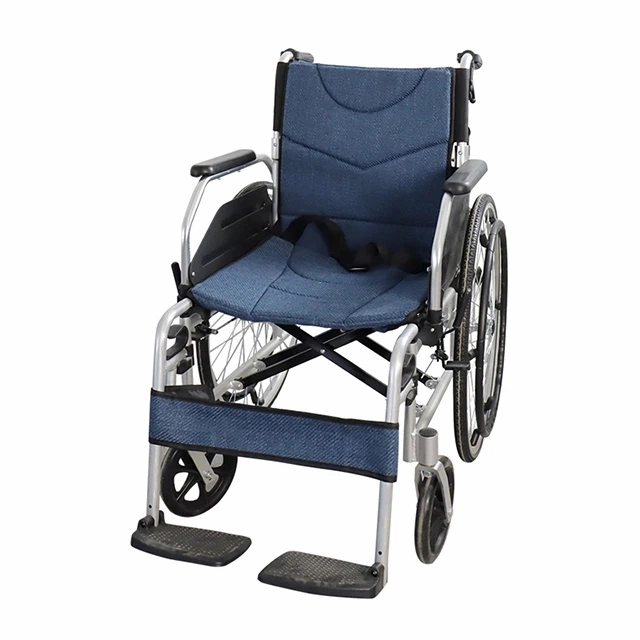
As a wheelchair supplier, we offer a wide range of wheelchairs equipped with high - quality anti - tip devices. Our Lightweight Manual Wheelchair is designed for easy maneuverability and portability, and comes with an adjustable anti - tip device that can be customized to the user's needs. This wheelchair is ideal for users who are on the go and need a lightweight yet safe option.
Our Manual Wheelchair For Hospital Patients is designed with patient comfort and safety in mind. It features a fixed anti - tip device that provides reliable protection, making it suitable for patients who may have limited mobility and need a stable wheelchair.
For users who require additional flexibility, our Wheelchair with Adjustable Footrests comes with an adjustable anti - tip device. This wheelchair is perfect for users who engage in a variety of activities and need to adjust the anti - tip device according to their specific situation.

Conclusion
Wheelchair anti - tip devices are an indispensable part of wheelchair safety. They provide users with the confidence and security to move around freely, knowing that they are protected from the risk of tipping backward. As a wheelchair supplier, we are committed to providing our customers with high - quality wheelchairs and anti - tip devices that meet their specific needs.
If you are interested in learning more about our wheelchair products or need assistance in choosing the right anti - tip device, please feel free to contact us for a procurement discussion. We look forward to helping you find the perfect wheelchair solution.
References
- National Institute on Disability, Independent Living, and Rehabilitation Research. (20XX). Wheelchair Safety Guidelines.
- Wheelchair Manufacturers Association. (20XX). Standards for Wheelchair Anti - Tip Devices.