


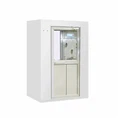
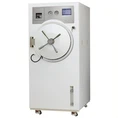
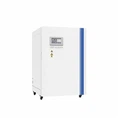

Hey there! As a washer disinfector supplier, I've been getting a lot of questions lately about the impacts of our machines on wooden items. So, I thought I'd take a few minutes to break it down for you.
First off, let's talk about what a washer disinfector does. These machines are designed to clean and disinfect a wide range of items, from glassware to medical instruments. They use a combination of high - pressure water, detergents, and heat to remove dirt, debris, and harmful microorganisms.


Now, when it comes to wooden items, things get a bit tricky. Wood is a natural material, and it has some unique properties that can be affected by the washer disinfector's cleaning process.
Positive Impacts
Cleaning
One of the obvious benefits of using a washer disinfector on wooden items is the thorough cleaning it provides. If you've got a wooden cutting board or a small wooden utensil that's been used for food preparation, it can harbor all sorts of bacteria and food particles. The high - pressure water jets in our Lab Automatic Washer Disinfector can blast away dirt from the crevices and pores of the wood. The detergents used in the machine are formulated to break down grease and grime, leaving the wooden item much cleaner than a simple hand - wash.
Disinfection
In a world where hygiene is crucial, disinfection is a major plus. Our washer disinfectors can reach high temperatures during the cleaning cycle. These elevated temperatures can kill a significant number of bacteria, viruses, and fungi that might be present on the wooden surface. For example, if you have a wooden toy that's been in a shared play area, running it through the washer disinfector can help reduce the risk of spreading germs.
Negative Impacts
Warping and Cracking
Wood is sensitive to changes in moisture. The high - humidity environment inside a washer disinfector can cause the wood to absorb water. When the wood absorbs water, it expands. And when it dries out, it contracts. This constant expansion and contraction can lead to warping, where the wooden item loses its original shape. Over time, it can also cause cracking, especially in areas where the wood is under stress. For instance, a thin - edged wooden bowl might start to warp after a few cycles in the washer disinfector.
Loss of Finish
Many wooden items come with a finish, such as varnish or oil, to protect the wood and give it a nice appearance. The harsh detergents and high - pressure water in the washer disinfector can strip away this finish. Once the finish is gone, the wood is more vulnerable to damage from moisture, scratches, and stains. A beautifully finished wooden salad bowl could end up looking dull and rough after being processed in the machine.
Structural Weakening
The repeated exposure to high - pressure water and the mechanical action of the cleaning process can gradually weaken the structure of the wood. The fibers in the wood can become damaged, reducing the overall strength of the item. A wooden tool handle that's been used in a washer disinfector multiple times might become more prone to breaking.
How to Minimize Negative Impacts
If you still want to use a washer disinfector on your wooden items, there are some steps you can take to minimize the negative impacts.
Pre - treatment
Before putting the wooden item in the washer disinfector, you can apply a protective coating. There are special wood sealants available that can help create a barrier between the wood and the water and detergents in the machine. This can reduce the amount of water the wood absorbs and protect the finish.
Adjust the Settings
Most of our washer disinfectors, like the Full - automatic Glassware Washer and Lab Automatic Glassware Washer, come with adjustable settings. You can lower the water pressure and reduce the temperature of the cleaning cycle. This will make the cleaning process gentler on the wood.
Post - treatment
After the wooden item has been through the washer disinfector, you should dry it thoroughly. You can use a soft cloth to wipe off excess water and then let it air - dry in a well - ventilated area. Once it's completely dry, you can re - apply the finish to protect the wood.
Conclusion
So, as you can see, a washer disinfector can have both positive and negative impacts on wooden items. While it can provide a great cleaning and disinfection solution, it also poses some risks to the integrity of the wood. If you're careful and take the necessary precautions, you can still use our machines to clean your wooden items effectively.
If you're interested in learning more about our washer disinfectors or have any questions about using them with different types of items, don't hesitate to reach out. We're here to help you make the most of our products and ensure that you get the best results for your cleaning and disinfection needs. Whether you're a small business owner looking to keep your kitchen utensils clean or a lab technician in need of a reliable disinfection solution, we've got the right washer disinfector for you. Let's start a conversation about your requirements and see how we can work together to meet your goals.
References
- "Wood Science and Technology" - A comprehensive book on the properties and behavior of wood.
- Manufacturer's manuals for our washer disinfectors, which provide detailed information on the cleaning and disinfection processes.