


Traveling by plane can be a daunting experience for wheelchair users, but with proper planning and preparation, it can be a smooth and enjoyable journey. As a wheelchair supplier, I've had the privilege of assisting many customers in their travel endeavors. In this blog, I'll share some valuable tips on how to travel with a wheelchair on a plane, ensuring you have a stress - free flight.
Pre - Flight Planning
Research Airlines' Policies
Before booking your flight, it's crucial to research the policies of different airlines regarding wheelchair travel. Each airline may have specific rules about wheelchair dimensions, battery types for electric wheelchairs, and the process of checking in your wheelchair. For example, some airlines require you to notify them in advance if you're traveling with a wheelchair, especially an electric one. You can usually find this information on the airline's official website or by calling their customer service.
Choose the Right Wheelchair
Selecting the appropriate wheelchair for travel is essential. If you're looking for a lightweight option that's easy to transport, consider our Lightweight Electric Wheelchair or Lightweight Manual Wheelchair. These wheelchairs are designed with portability in mind, making them ideal for air travel. For those who need a wheelchair for short - term use during hospital stays or travel, our Manual Wheelchair For Hospital Patients is a great choice.
Check Your Wheelchair's Condition
Before heading to the airport, thoroughly inspect your wheelchair. Make sure all parts are in good working order, including the wheels, brakes, and any electronic components if it's an electric wheelchair. If there are any loose parts or signs of damage, have them repaired immediately. This will prevent any last - minute issues at the airport and ensure your safety during the journey.
Make Necessary Arrangements
Contact the airline in advance to make arrangements for wheelchair assistance. Most airlines offer services such as wheelchair escort from the check - in counter to the gate, boarding assistance, and help with transferring to and from the aircraft seat. Provide them with details about your wheelchair, such as whether it's electric or manual, and its dimensions.
At the Airport
Check - In Process
Arrive at the airport early to allow plenty of time for the check - in process. When you reach the check - in counter, inform the airline staff that you're traveling with a wheelchair. They will guide you through the necessary procedures, which may include filling out some forms and tagging your wheelchair for storage in the aircraft's cargo hold.

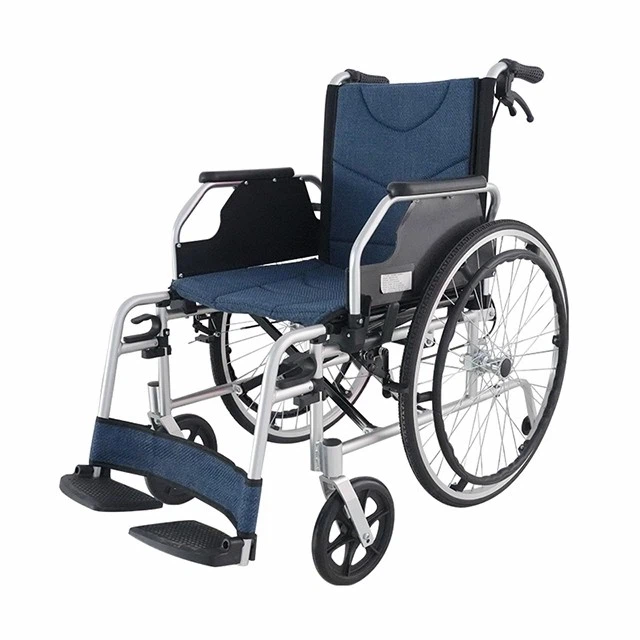
Wheelchair Handling
If you're using an electric wheelchair, the airline may require you to remove the batteries and carry them in your carry - on luggage. This is due to safety regulations regarding lithium - ion batteries. Make sure you know how to safely remove and pack the batteries according to the airline's instructions.
For manual wheelchairs, the airline staff will usually take it from you at the gate and stow it in the cargo hold. They will provide you with a boarding wheelchair to use until you reach your seat on the plane.
Boarding the Plane
When it's time to board, the airline staff will assist you in transferring from your boarding wheelchair to the aircraft seat. They will also stow your boarding wheelchair in a designated area on the plane. If you need any special assistance during the transfer, such as additional padding or support, don't hesitate to ask the staff.
During the Flight
Comfort and Safety
Once you're seated on the plane, make yourself as comfortable as possible. You may want to bring a small pillow or cushion for extra support. Fasten your seatbelt securely and follow the flight attendant's instructions regarding safety procedures.
If you need any assistance during the flight, such as getting up to use the restroom or having a drink, signal the flight attendant. They are trained to provide help to passengers with disabilities.
After the Flight
Retrieving Your Wheelchair
When you arrive at your destination, wait at the gate for the airline staff to bring your wheelchair. They will usually have it ready for you shortly after the plane has landed. Inspect your wheelchair carefully to ensure it hasn't been damaged during the flight. If you notice any issues, report them immediately to the airline staff.
Departing the Airport
Use your wheelchair to navigate through the airport and head to your next destination. If you need further assistance, such as getting to a taxi or a shuttle, the airline staff can help you arrange it.
Tips for a Successful Wheelchair Flight
Communication is Key
Throughout the entire process, maintain open communication with the airline staff. Let them know about your needs and concerns, and don't be afraid to ask questions. Clear communication will help ensure that everything goes smoothly and that you have a positive travel experience.
Pack Essentials
In your carry - on luggage, pack essential items such as medications, a change of clothes, and any assistive devices you may need during the flight. This will ensure that you have everything you need in case your checked luggage is delayed or lost.
Be Patient
Traveling with a wheelchair can sometimes be a bit more time - consuming and complex than regular travel. Be patient with the process and with the airline staff. Remember that they are doing their best to accommodate your needs.
Conclusion
Traveling with a wheelchair on a plane doesn't have to be a difficult experience. By following these tips and doing proper pre - flight planning, you can have a stress - free journey. As a wheelchair supplier, we understand the unique needs of wheelchair users and are committed to providing high - quality products that make travel easier.
If you're interested in purchasing a wheelchair for your travel needs or have any questions about our products, we'd love to hear from you. Contact us to start a discussion about your requirements and explore the best wheelchair options for you.
References
- Airlines' official websites for their wheelchair travel policies
- International Air Transport Association (IATA) guidelines on wheelchair transportation
- Personal experiences and customer feedback from wheelchair users traveling by plane