


Hey there! As a wheelchair supplier, I get asked a ton of questions about electric wheelchair batteries. One of the most common ones is, "How long do electric wheelchair batteries last?" Well, I'm here to break it down for you.
First off, let's talk about the factors that affect how long an electric wheelchair battery will last. There are quite a few things to consider, and understanding these can help you get the most out of your battery.
Battery Type
The type of battery your electric wheelchair uses plays a huge role. The two most common types are lead - acid batteries and lithium - ion batteries.
Lead - acid batteries are the traditional choice. They're relatively inexpensive, but they're also heavy and have a shorter lifespan compared to lithium - ion batteries. On average, a lead - acid battery in an electric wheelchair might last between 1 - 2 years with regular use. These batteries need to be properly maintained, like keeping them charged and not letting them completely discharge. If you don't take good care of them, their lifespan can be even shorter.
Lithium - ion batteries, on the other hand, are more expensive but offer some great advantages. They're lighter, which can make the wheelchair easier to maneuver. They also have a longer lifespan, typically lasting 3 - 5 years. Plus, they can handle more charge - discharge cycles than lead - acid batteries. If you're willing to invest a bit more upfront, a lithium - ion battery can be a great long - term option.
Usage Patterns
How you use your electric wheelchair has a big impact on battery life. If you're someone who uses the wheelchair for short trips around the house or in a small area, the battery will last longer compared to someone who takes long rides outdoors every day.

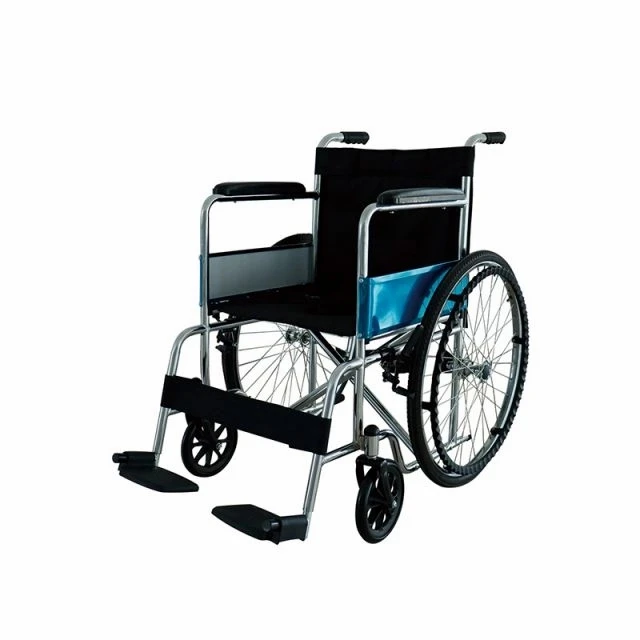
Frequent short trips can actually be hard on the battery. Every time you start the wheelchair, it uses a bit of extra power. So, if you're constantly starting and stopping, it can drain the battery faster. On the contrary, long, continuous rides are more efficient for the battery.
The terrain you're on also matters. If you're mostly on flat, smooth surfaces, the battery won't have to work as hard. But if you're going up hills, over rough terrain, or through grass, the motor has to use more power, which will reduce the battery's runtime.
Charging Habits
Proper charging is crucial for extending battery life. For lead - acid batteries, it's important not to let them completely discharge. Once the battery gets down to about 20 - 30% charge, it's time to plug it in. Over - discharging can damage the battery and shorten its lifespan.
Lithium - ion batteries are a bit more forgiving in this regard. They don't have the same "memory effect" as lead - acid batteries, which means you don't have to worry as much about fully discharging them before charging. However, it's still a good idea to avoid leaving the battery at a very low charge for a long time.
Also, make sure you're using the right charger for your battery. Using an incorrect charger can over - charge or under - charge the battery, both of which can be harmful.
Maintenance
Regular maintenance of the battery can also increase its lifespan. For lead - acid batteries, this includes checking the water levels (if they're the type that requires it) and keeping the terminals clean. Corroded terminals can prevent the battery from charging properly.
Lithium - ion batteries generally require less maintenance, but it's still a good idea to have them checked periodically by a professional. They can make sure everything is working as it should and catch any potential issues early.
Average Battery Life Expectancy
Based on all these factors, here's a rough estimate of how long you can expect an electric wheelchair battery to last.
For a lead - acid battery used in a wheelchair with normal daily use (a few hours a day on flat terrain), you can expect it to last about 1.5 - 2 years. If the usage is more intense, like several hours a day on hilly terrain, it might only last 1 year.
A lithium - ion battery, with normal daily use, can last around 3 - 4 years. In some cases, with proper care and less intensive use, it could even last up to 5 years.
Tips to Extend Battery Life
- Plan your trips: Try to combine short trips into one longer one to reduce the number of starts and stops.
- Choose the right terrain: Whenever possible, stick to flat, smooth surfaces to reduce the strain on the battery.
- Keep the battery charged: Don't let the battery get too low before charging, especially for lead - acid batteries.
- Have regular maintenance: Whether it's checking water levels or getting a professional inspection, regular maintenance can go a long way.
At our company, we offer a wide range of electric wheelchairs, each with different battery options to suit your needs. If you're interested in a Portable Electric Wheelchair, we've got you covered. It's a great option for those who need to travel light. And if you're looking for something with more comfort features, check out our Wheelchair with Adjustable Footrests. We also have Foldable Manual Wheelchair for those who prefer a more traditional option.
If you have any questions about electric wheelchair batteries or want to discuss your specific needs, don't hesitate to reach out. We're here to help you find the perfect wheelchair and make sure you get the most out of your battery. Contact us to start a procurement discussion and let's find the best solution for you.
References
- Battery University: A great resource for all things related to battery technology and maintenance.
- Electric Wheelchair Manufacturers' Manuals: These provide specific information about the batteries used in their products.