


ELISA, short for Enzyme-Linked Immunosorbent Assay, is a powerful and widely used technique in the field of immunology and clinical diagnostics. As an ELISA supplier, I am excited to share with you how this remarkable assay works and why it has become an indispensable tool in various research and diagnostic applications.
The Basic Principle of ELISA
At its core, ELISA is based on the specific binding between an antigen and an antibody. Antigens are substances that can trigger an immune response in the body, such as proteins, peptides, or pathogens. Antibodies, on the other hand, are proteins produced by the immune system to recognize and bind to specific antigens.
The ELISA technique takes advantage of this antigen-antibody interaction to detect and quantify the presence of a particular antigen or antibody in a sample. There are several types of ELISA, including direct ELISA, indirect ELISA, sandwich ELISA, and competitive ELISA. Each type has its own unique setup and application, but they all follow the same basic principle of using an enzyme-labeled antibody to detect the presence of the target antigen or antibody.
The Components of an ELISA
Before we dive into the detailed steps of how ELISA works, let's first take a look at the key components involved in an ELISA assay:
- Microplate: This is a flat plate with multiple wells, typically 96 or 384 wells, where the ELISA reactions take place. The wells are coated with either an antigen or an antibody, depending on the type of ELISA being performed.
- Antigen or Antibody: The target antigen or antibody that you want to detect in the sample. In a sandwich ELISA, for example, the microplate wells are coated with a capture antibody that specifically binds to the target antigen.
- Enzyme-labeled Antibody: This is an antibody that is conjugated to an enzyme, such as horseradish peroxidase (HRP) or alkaline phosphatase (AP). The enzyme-labeled antibody binds to the target antigen or antibody and catalyzes a colorimetric reaction when a substrate is added.
- Substrate: A chemical compound that reacts with the enzyme conjugated to the antibody to produce a detectable signal, usually a color change. The intensity of the color is proportional to the amount of target antigen or antibody present in the sample.
- Wash Buffer: A solution used to wash away any unbound substances from the microplate wells between each step of the ELISA procedure. This helps to reduce background noise and improve the specificity of the assay.
The Step-by-Step Process of an ELISA
Now that we understand the basic components of an ELISA, let's walk through the step-by-step process of how an ELISA assay is typically performed:
- Coating the Microplate: The first step is to coat the microplate wells with either an antigen or an antibody. This is done by adding a solution containing the antigen or antibody to the wells and incubating them at a specific temperature for a certain period of time. The antigen or antibody will adhere to the surface of the wells, forming a solid-phase coating.
- Blocking: After coating the microplate, the next step is to block any remaining uncoated sites on the wells to prevent non-specific binding of other proteins. This is typically done by adding a blocking buffer, such as bovine serum albumin (BSA) or non-fat dry milk, to the wells and incubating them for a period of time.
- Adding the Sample: Once the microplate is blocked, the sample containing the target antigen or antibody is added to the wells. The sample is allowed to incubate with the coated wells for a specific period of time, during which the target antigen or antibody will bind to the immobilized antigen or antibody on the wells.
- Washing: After the sample incubation step, the wells are washed several times with a wash buffer to remove any unbound substances from the wells. This helps to reduce background noise and improve the specificity of the assay.
- Adding the Enzyme-labeled Antibody: The next step is to add the enzyme-labeled antibody to the wells. The enzyme-labeled antibody binds to the target antigen or antibody that is already bound to the immobilized antigen or antibody on the wells. The wells are then incubated for a specific period of time to allow the binding reaction to occur.
- Washing Again: After the enzyme-labeled antibody incubation step, the wells are washed several times with a wash buffer to remove any unbound enzyme-labeled antibody from the wells.
- Adding the Substrate: Once the wells are washed, a substrate solution is added to the wells. The substrate reacts with the enzyme conjugated to the antibody, producing a detectable signal, usually a color change. The intensity of the color is proportional to the amount of target antigen or antibody present in the sample.
- Stopping the Reaction: After a specific period of time, the reaction is stopped by adding a stop solution to the wells. This stops the enzyme activity and stabilizes the color signal.
- Reading the Results: The final step is to read the results of the ELISA assay. This is typically done using a microplate reader, which measures the absorbance or fluorescence of the wells at a specific wavelength. The absorbance or fluorescence values are then used to calculate the concentration of the target antigen or antibody in the sample.
The Advantages of ELISA
ELISA is a widely used technique in the field of immunology and clinical diagnostics for several reasons:
- High Sensitivity: ELISA can detect very low levels of antigens or antibodies in a sample, making it a highly sensitive assay.
- High Specificity: ELISA is based on the specific binding between an antigen and an antibody, which makes it a highly specific assay. This means that it can distinguish between different antigens or antibodies with high accuracy.
- Quantitative Results: ELISA can provide quantitative results, which means that it can measure the concentration of the target antigen or antibody in a sample. This makes it a valuable tool for research and diagnostic applications.
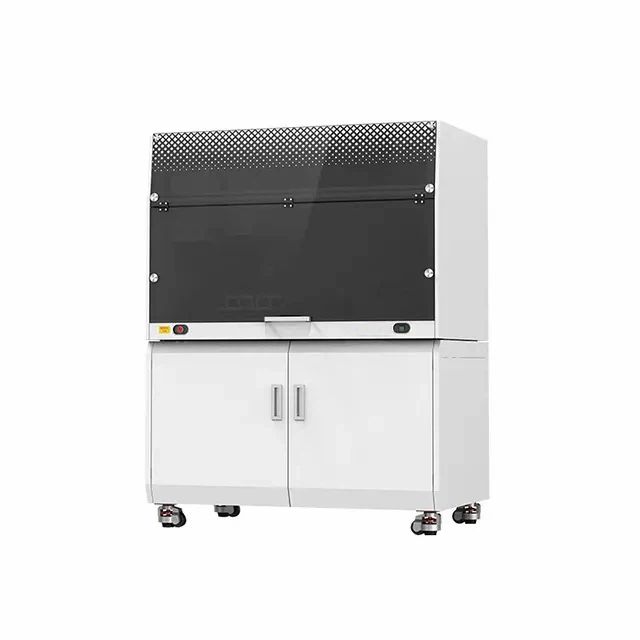
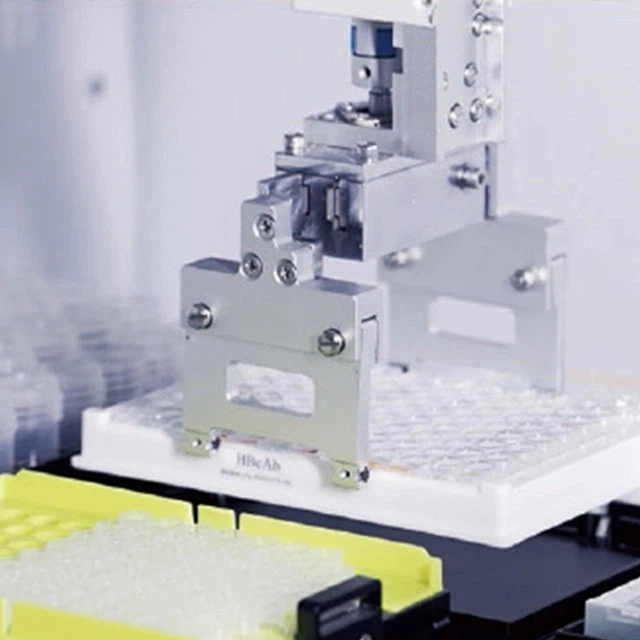
- Automation: ELISA assays can be easily automated using Fully Automated Elisa Workstation or Automated ELISA Processor, which can improve the efficiency and reproducibility of the assay.
- Versatility: ELISA can be used to detect a wide range of antigens and antibodies, including proteins, peptides, hormones, and pathogens. This makes it a versatile assay that can be used in various research and diagnostic applications.
The Applications of ELISA
ELISA has a wide range of applications in the field of immunology and clinical diagnostics, including:
- Diagnostic Testing: ELISA is commonly used in diagnostic testing to detect the presence of antibodies or antigens in a patient's blood or other bodily fluids. This can be used to diagnose various diseases, such as HIV, hepatitis, and influenza.
- Research: ELISA is also widely used in research to study the immune response and to measure the levels of various proteins and cytokines in biological samples. This can help researchers to understand the mechanisms of disease and to develop new therapies.
- Food Safety: ELISA can be used to detect the presence of contaminants, such as pathogens, toxins, and allergens, in food samples. This can help to ensure the safety of the food supply.
- Environmental Monitoring: ELISA can be used to detect the presence of pollutants, such as heavy metals and pesticides, in environmental samples. This can help to monitor the quality of the environment and to protect public health.
The Importance of Quality Control in ELISA
Quality control is an essential part of any ELISA assay to ensure the accuracy and reliability of the results. Here are some key aspects of quality control in ELISA:
- Positive and Negative Controls: Positive and negative controls are included in each ELISA assay to ensure that the assay is working properly. The positive control contains a known amount of the target antigen or antibody, while the negative control does not contain the target antigen or antibody.
- Calibration Curve: A calibration curve is generated using a series of standards with known concentrations of the target antigen or antibody. The calibration curve is used to determine the concentration of the target antigen or antibody in the sample.
- Replicate Samples: Replicate samples are analyzed in each ELISA assay to ensure the reproducibility of the results. This helps to identify any variability in the assay and to ensure the accuracy of the results.
- Validation of the Assay: The ELISA assay should be validated before it is used in routine testing. This involves testing the assay using a variety of samples with known concentrations of the target antigen or antibody to ensure the accuracy and reliability of the results.
The Role of Equipment in ELISA
In addition to the reagents and components, the equipment used in ELISA also plays a crucial role in the success of the assay. For example, a Microplate Shaker is often used during the incubation steps to ensure uniform mixing of the reagents and to enhance the binding reactions. A high - quality microplate reader is essential for accurate reading of the results.
Contact Us for Your ELISA Needs
As an experienced ELISA supplier, we offer a wide range of high - quality ELISA kits, reagents, and equipment to meet your research and diagnostic needs. Our products are carefully developed and tested to ensure high sensitivity, specificity, and reproducibility.
If you are interested in learning more about our ELISA products or have any questions about how ELISA works, please feel free to contact us. We are here to provide you with professional advice and support to help you achieve the best results in your ELISA assays. Whether you are a researcher in a laboratory or a clinician in a diagnostic center, we can offer you the solutions you need.
References
- Harlow, E., & Lane, D. (1988). Antibodies: A Laboratory Manual. Cold Spring Harbor Laboratory Press.
- Coligan, J. E., Kruisbeek, A. M., Margulies, D. H., Shevach, E. M., & Strober, W. (Eds.). (1991). Current Protocols in Immunology. John Wiley & Sons.
- Voller, A., Bidwell, D. E., & Bartlett, A. (Eds.). (1979). The Enzyme Linked Immunosorbent Assay (ELISA). Dynatech Laboratories.