



Can PCR tubes be frozen? This is a question that often comes up in the laboratory setting, especially for researchers and technicians who work with polymerase chain reaction (PCR) techniques on a regular basis. As a PCR tube supplier, I've encountered this query numerous times, and I'm here to provide a comprehensive answer based on scientific knowledge and practical experience.
Understanding PCR Tubes
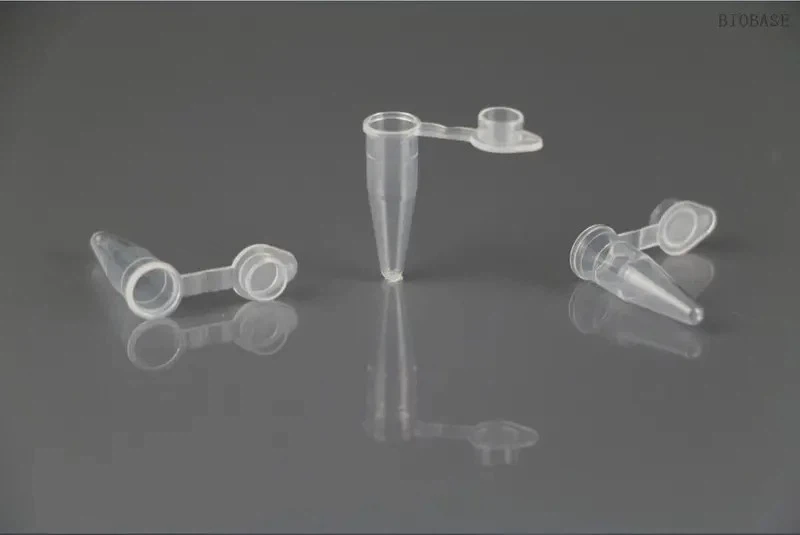
Before we delve into the question of freezing PCR tubes, let's first understand what PCR tubes are and their role in the PCR process. PCR is a powerful technique used to amplify specific DNA sequences, enabling researchers to generate millions of copies of a particular DNA fragment. PCR tubes are small, thin-walled tubes designed to hold the PCR reaction mixture, which typically includes DNA template, primers, nucleotides, DNA polymerase, and buffer solution.
PCR tubes come in various sizes and formats, including 0.2 Ml PCR Tubes, 0.1 Ml PCR Tubes, and 8 Strip PCR Tubes. These tubes are made from high-quality plastics, such as polypropylene, which are resistant to heat, chemicals, and mechanical stress. The thin walls of PCR tubes allow for efficient heat transfer during the PCR cycling process, ensuring accurate and reproducible results.
The Freezing Process and Its Effects on PCR Tubes
Freezing is a common method used to preserve biological samples, including DNA, RNA, and proteins. When a sample is frozen, the water molecules in the sample form ice crystals, which can cause physical damage to the sample and the container. In the case of PCR tubes, freezing can potentially affect the integrity of the tube and the PCR reaction mixture inside.
One of the main concerns when freezing PCR tubes is the expansion of water as it freezes. Water expands by approximately 9% when it turns into ice, which can create pressure inside the tube. If the tube is not able to withstand this pressure, it may crack or break, leading to sample leakage and contamination. Additionally, the formation of ice crystals can also cause damage to the PCR reaction mixture, such as denaturation of proteins and shearing of DNA.

However, not all PCR tubes are created equal. Some PCR tubes are designed to withstand freezing temperatures and are made from materials that are more resistant to cracking and breaking. These tubes are typically labeled as "freeze-thaw stable" or "cryogenic" and are suitable for long-term storage of samples at low temperatures.

Factors to Consider When Freezing PCR Tubes
When deciding whether to freeze PCR tubes, there are several factors to consider:
- Tube Material: As mentioned earlier, the material of the PCR tube plays a crucial role in its ability to withstand freezing temperatures. Polypropylene is a commonly used material for PCR tubes, as it is resistant to heat, chemicals, and mechanical stress. However, not all polypropylene tubes are created equal, and some may be more prone to cracking and breaking when frozen. Look for tubes that are specifically designed for freezing and are labeled as "freeze-thaw stable" or "cryogenic."
- Tube Design: The design of the PCR tube can also affect its ability to withstand freezing temperatures. Tubes with thicker walls and a more robust construction are generally more resistant to cracking and breaking than tubes with thinner walls. Additionally, tubes with a secure closure, such as a snap-on cap or a screw cap, can help prevent sample leakage and contamination during freezing and thawing.
- Sample Volume: The volume of the sample in the PCR tube can also affect its ability to withstand freezing temperatures. Larger volumes of liquid are more likely to expand and create pressure inside the tube, increasing the risk of cracking and breaking. If you need to freeze a large volume of sample, consider using a larger tube or dividing the sample into multiple tubes.
- Freezing Rate: The rate at which the PCR tube is frozen can also affect its integrity. Rapid freezing can cause the formation of large ice crystals, which can damage the tube and the sample inside. Slow freezing, on the other hand, allows for the formation of smaller ice crystals, which are less likely to cause damage. To slow down the freezing rate, you can place the PCR tube in a freezer at a controlled temperature or use a freezing container that provides a gradual cooling rate.
- Thawing Rate: The rate at which the PCR tube is thawed can also affect its integrity. Rapid thawing can cause the formation of large ice crystals, which can damage the tube and the sample inside. Slow thawing, on the other hand, allows for the gradual melting of ice crystals, reducing the risk of damage. To slow down the thawing rate, you can place the PCR tube in a refrigerator or at room temperature for a few hours before using it.
Best Practices for Freezing PCR Tubes
If you need to freeze PCR tubes, here are some best practices to follow:

- Choose the Right Tube: Select PCR tubes that are specifically designed for freezing and are labeled as "freeze-thaw stable" or "cryogenic." These tubes are made from materials that are more resistant to cracking and breaking and are suitable for long-term storage of samples at low temperatures.
- Fill the Tube Properly: Do not overfill the PCR tube, as this can increase the risk of cracking and breaking during freezing. Leave some headspace at the top of the tube to allow for expansion of the sample as it freezes.
- Use a Freezing Container: To slow down the freezing rate and reduce the risk of damage to the PCR tube and the sample inside, use a freezing container that provides a gradual cooling rate. You can also place the PCR tube in a freezer at a controlled temperature.
- Label the Tube Clearly: Label the PCR tube clearly with the sample name, date, and any other relevant information. This will help you identify the sample and prevent confusion during storage and retrieval.
- Store the Tube Properly: Store the frozen PCR tube in a freezer at a temperature of -20°C or lower. Make sure the freezer is maintained at a constant temperature and is free from frost and ice buildup.
- Thaw the Tube Slowly: When you need to use the frozen PCR tube, thaw it slowly by placing it in a refrigerator or at room temperature for a few hours. Avoid rapid thawing, as this can cause damage to the tube and the sample inside.
Conclusion
In conclusion, PCR tubes can be frozen, but it is important to choose the right tube, fill it properly, use a freezing container, label it clearly, store it properly, and thaw it slowly. By following these best practices, you can minimize the risk of cracking and breaking and ensure the integrity of the PCR reaction mixture inside.
As a PCR tube supplier, we offer a wide range of high-quality PCR tubes that are specifically designed for freezing and are suitable for long-term storage of samples at low temperatures. Our tubes are made from high-quality plastics, such as polypropylene, which are resistant to heat, chemicals, and mechanical stress. We also offer a variety of tube sizes and formats, including 0.2 Ml PCR Tubes, 0.1 Ml PCR Tubes, and 8 Strip PCR Tubes, to meet the needs of different applications.
If you have any questions or need further information about our PCR tubes or freezing techniques, please do not hesitate to contact us. We are always happy to help and provide you with the best solutions for your laboratory needs.
References
- Sambrook, J., & Russell, D. W. (2001). Molecular cloning: A laboratory manual. Cold Spring Harbor Laboratory Press.
- Ausubel, F. M., Brent, R., Kingston, R. E., Moore, D. D., Seidman, J. G., Smith, J. A., & Struhl, K. (Eds.). (2002). Current protocols in molecular biology. John Wiley & Sons.
- Innis, M. A., Gelfand, D. H., Sninsky, J. J., & White, T. J. (Eds.). (1990). PCR protocols: A guide to methods and applications. Academic Press.