



Hey there! As an autoclave supplier, I often get asked this question: Can an autoclave sterilize plastics? Well, let's dig into this topic and find out.
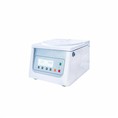
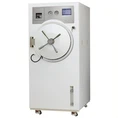
First off, let's understand what an autoclave is. An autoclave is a machine that uses steam under pressure to kill harmful organisms like bacteria, viruses, and fungi. It's a widely used tool in many industries, including healthcare, laboratories, and even in some food processing places. There are different types of autoclaves, such as the Biosafety Autoclave and the Vertical Pulse Vacuum Autoclave. Each type has its own features and is suitable for different sterilization needs.
Now, let's talk about plastics. Plastics are everywhere in our daily lives. They're used in medical devices, lab equipment, and a whole bunch of other stuff. But not all plastics are created equal when it comes to autoclaving.
Some plastics can handle the high temperatures and pressures inside an autoclave without a problem. These are usually high - performance plastics. For example, polycarbonate is a tough plastic that can withstand autoclaving conditions. It's often used in medical and laboratory settings because it can be sterilized multiple times without losing its properties. Another plastic that can be autoclaved is polypropylene. It has a relatively high melting point and good chemical resistance, making it suitable for autoclaving.
However, not all plastics are up to the task. Some plastics have low melting points. When you put them in an autoclave, they'll start to melt or deform. For instance, polyethylene, which is commonly used in plastic bags and some disposable containers, can't handle the high heat of an autoclave. It'll turn into a gooey mess, and that's definitely not what you want.


There are also some plastics that might release harmful chemicals when exposed to high temperatures. This is a big no - no, especially in medical and food - related applications. You don't want to end up with a sterilized item that's contaminated with toxic substances.
So, how do you know if a plastic can be autoclaved? Well, the first thing you can do is check the manufacturer's instructions. They usually provide information about whether the plastic is autoclave - safe or not. If there are no instructions, you can do a small test. Take a small piece of the plastic and put it in the autoclave under the recommended conditions. Check it afterwards to see if there are any signs of melting, deformation, or chemical changes.
But it's not just about the plastic itself. The way you load the autoclave also matters. You need to make sure that the plastic items are properly arranged so that steam can circulate around them evenly. If the steam can't reach all parts of the plastic, some areas might not get sterilized.
Another factor to consider is the duration and temperature of the autoclaving cycle. Different plastics might require different settings. For example, some high - performance plastics can handle longer and hotter cycles, while others need shorter and cooler ones. You need to find the right balance to ensure effective sterilization without damaging the plastic.
Now, let's talk about the benefits of autoclaving plastics. If you can autoclave a plastic item, it means you can reuse it. This is not only cost - effective but also more environmentally friendly. Instead of throwing away disposable plastic items after each use, you can sterilize them and use them again.
In addition to autoclaves, we also offer other disinfection and sterilization equipment, like the Uv - c Disinfection Trolley. It's a great option for disinfecting surfaces and small items that can't be autoclaved.
If you're in the market for autoclaves or other sterilization equipment, we're here to help. We have a wide range of products to meet your specific needs. Whether you're a small laboratory or a large hospital, we can provide you with the right equipment and support.
We understand that choosing the right autoclave can be a bit confusing, especially when it comes to sterilizing plastics. That's why our team of experts is always ready to answer your questions. We can help you determine which plastics are suitable for autoclaving and which autoclave model is best for your application.
So, if you're interested in learning more about our autoclaves or want to discuss your sterilization needs, don't hesitate to reach out. We're looking forward to working with you and helping you find the perfect solution for your business.
In conclusion, an autoclave can sterilize certain plastics, but it's important to choose the right type of plastic and use the correct autoclaving settings. With the right knowledge and equipment, you can effectively sterilize plastics and enjoy the benefits of reuse and cost - savings.
References
- General knowledge of autoclave technology and plastic properties from industry research and practical experience.
- Manufacturer information on plastic products and autoclave equipment.