


PCR (Polymerase Chain Reaction) is a fundamental technique in molecular biology, used for amplifying specific DNA sequences. The success of a PCR experiment relies heavily on the quality and compatibility of its consumables, among which PCR tubes and their caps play a crucial role. As a PCR tube supplier, I often receive inquiries about whether there are any special requirements for PCR tube caps. In this blog, I will delve into this topic and provide insights based on my experience in the industry.
Sealing Performance
One of the most critical requirements for PCR tube caps is excellent sealing performance. During the PCR process, the reaction mixture is subjected to repeated cycles of heating and cooling. If the caps do not seal properly, evaporation can occur, leading to a change in the volume and concentration of the reaction components. This can result in inaccurate PCR results, such as inconsistent amplification or false negatives.
To ensure a tight seal, PCR tube caps are designed with precision. They are typically made of materials that can withstand the high temperatures (up to 100°C) and pressure changes during the PCR cycles. For example, many caps are made of polypropylene, a thermoplastic polymer known for its high heat resistance and chemical stability. The cap's design also plays a role in sealing. Some caps have a snap - fit or a screw - on mechanism, which provides a more secure closure compared to loose - fitting caps.
Compatibility with PCR Machines
Another important requirement is compatibility with different PCR machines. PCR machines come in various models and brands, each with its own specifications for tube and cap dimensions. For instance, some machines are designed to accommodate 0.2 ml PCR tubes, while others are optimized for 0.1 ml tubes. As a PCR tube supplier, we offer a wide range of products, including 0.2 Ml PCR Tubes, 0.1 Ml PCR Tubes, and 8 Strip PCR Tubes, to meet the diverse needs of our customers.
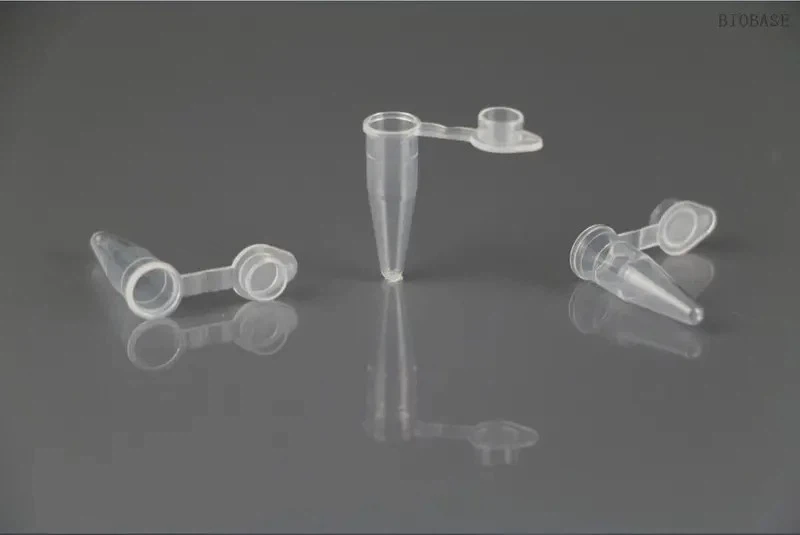
The caps must fit snugly on the tubes to ensure proper heat transfer and prevent any interference with the machine's operation. A cap that is too loose may fall off during the cycling process, while a cap that is too tight may be difficult to remove or may damage the tube. Therefore, it is essential to choose caps that are specifically designed for the PCR tubes and machines being used.
Transparency
Transparency is also a significant factor when it comes to PCR tube caps. In many PCR applications, it is necessary to visually inspect the reaction mixture before, during, and after the amplification process. Clear caps allow researchers to easily monitor the color, volume, and clarity of the reaction solution, which can provide valuable information about the progress and outcome of the PCR.
For example, if the reaction mixture turns cloudy or changes color, it may indicate contamination or an issue with the reagents. With transparent caps, these changes can be detected quickly, allowing for timely troubleshooting. Additionally, transparent caps are beneficial for fluorescence - based PCR assays, as they do not interfere with the detection of fluorescent signals.
Low Binding and Non - Toxicity
PCR tube caps should have low binding properties to prevent the adsorption of PCR reagents, enzymes, and DNA fragments. Adsorption can lead to a decrease in the concentration of these components in the reaction mixture, affecting the efficiency and specificity of the PCR. To minimize binding, caps are often treated with special coatings or made from materials with low surface energy.

Moreover, the caps must be non - toxic to the PCR reaction. Any contaminants or leachables from the caps can inhibit the activity of the DNA polymerase or other enzymes involved in the PCR, resulting in poor amplification. Therefore, high - quality caps are manufactured using materials that are free from harmful substances and have been tested to ensure their compatibility with PCR reagents.

Ease of Use
Ease of use is an important consideration for PCR tube caps. In a busy laboratory setting, researchers need to be able to quickly and easily open and close the caps without causing any damage to the tubes or the reaction mixture. Caps with a simple and intuitive design, such as snap - on caps, are preferred as they can be opened and closed with one hand, saving time and effort.
Some caps also feature a unique design to prevent cross - contamination. For example, some caps have a built - in barrier or a flip - top design that reduces the risk of introducing contaminants from the environment into the tube.
Sterility
Sterility is a must for PCR tube caps, especially in applications where contamination can have a significant impact on the results. PCR is a highly sensitive technique, and even a small amount of contaminating DNA can lead to false positives. Therefore, caps are typically sterilized using methods such as gamma irradiation or ethylene oxide treatment.
Sterile caps ensure that the PCR reaction mixture remains free from any external contaminants, providing reliable and reproducible results. As a PCR tube supplier, we take great care to ensure that our caps meet the highest standards of sterility.
In conclusion, there are indeed several special requirements for PCR tube caps. These requirements are essential for ensuring the success of PCR experiments, from maintaining the integrity of the reaction mixture to compatibility with PCR machines. As a supplier, we are committed to providing high - quality PCR tube caps that meet all these requirements. Our products, including 0.2 Ml PCR Tubes, 0.1 Ml PCR Tubes, and 8 Strip PCR Tubes, are designed to provide optimal performance and reliability.

If you are in need of PCR tubes and caps for your laboratory, we would be more than happy to assist you. Contact us to discuss your specific requirements and start a procurement negotiation. We look forward to serving you and helping you achieve successful PCR results.
References
- Sambrook, J., & Russell, D. W. (2001). Molecular cloning: A laboratory manual. Cold Spring Harbor Laboratory Press.
- Dieffenbach, C. W., & Dveksler, G. S. (2003). PCR primer: A laboratory manual. Cold Spring Harbor Laboratory Press.
- Kwok, S., & Higuchi, R. (1989). Avoiding false positives with PCR. Nature, 339(6221), 237 - 238.